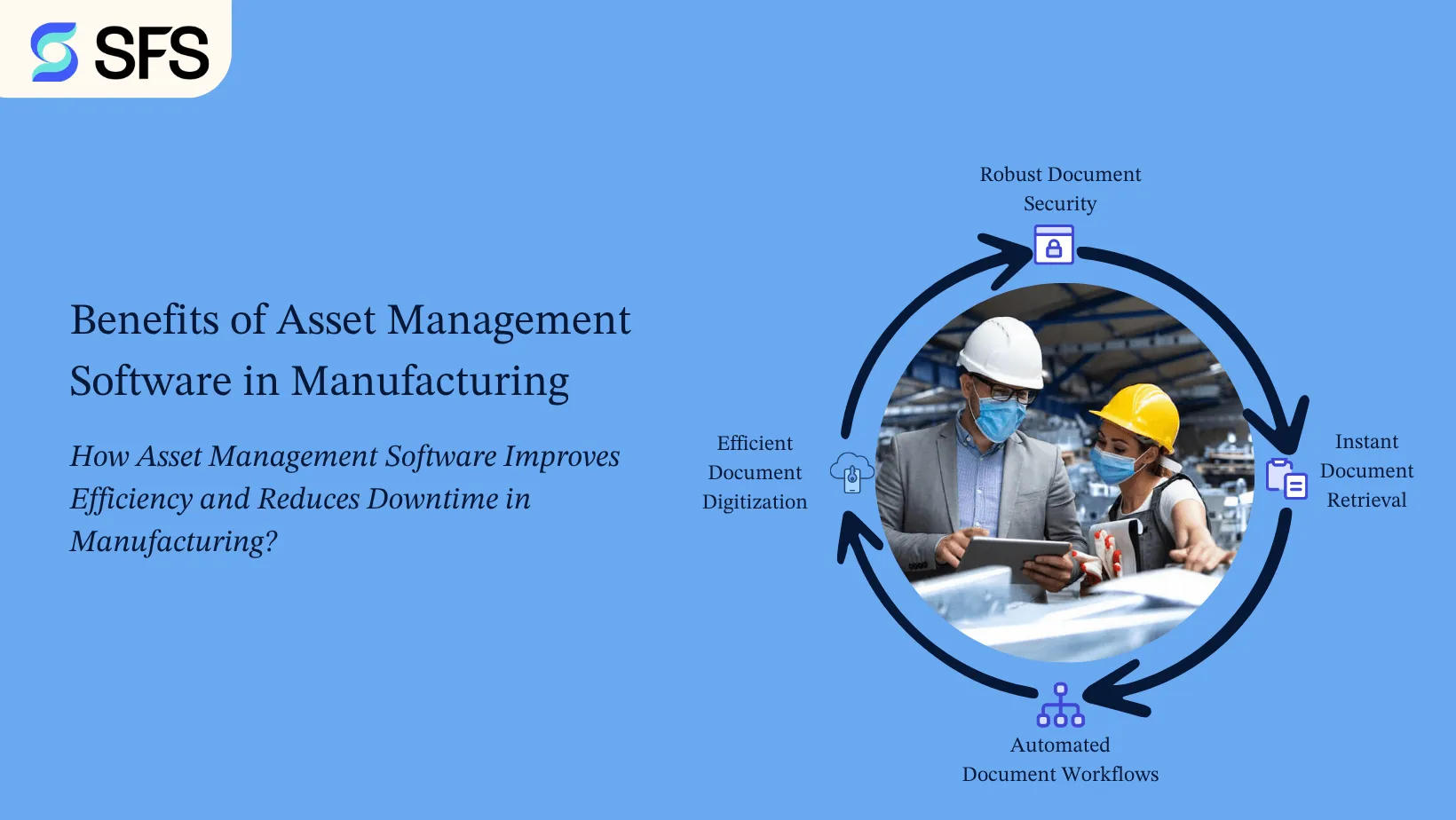
The modern manufacturing environment is highly competitive and dynamic, keeping machines uptime, and keeping them operating efficiently and planning maintenance has become essential to productivity and profitability. Manual production equipment, IT asset and tool management, inventory management, and maintenance planning can lead to downtime, loss of asset visibility, and increasing operating costs.
That’s where ALM Software steps in and becomes very crucial in today’s manufacturing systems. Manufacturers can optimize asset use, optimize maintenance processes, and optimize overall asset performance with a centralized, digital asset lifecycle management process.
What is Asset Management Software?
Asset Management Software is an electronic tool that assists organizations to handle physical and IT assets from creation to use, to maintenance and disposal.
In manufacturing industries, this software enables companies to:
⦁ Monitor equipment health
⦁ Schedule preventive maintenance
⦁ Track asset movement
⦁ Manage asset documentation
⦁ Reduce unexpected breakdowns
⦁ Improve Compliance and Operational Transparency
Key Benefits of Asset Management Software in Manufacturing
1. Better visibility across assets.
A significant hurdle in manufacturing is ensuring the visibility of assets across many departments or facilities. A centralized system enables companies to monitor the status, maintenance of records, and availability of equipment.
This enhances the coordination between production, maintenance, and management teams, and helps prevent the loss of assets or their underutilization.
2. Reduced Equipment Downtime
Equipment breakdown could affect the production schedule and result in additional operating expenses. In fact, with the right maintenance plan and monitoring, manufacturers will be able to spot potential problems before they become serious.
Work is optimized, machine reliability is enhanced, and unplanned downtime is minimized on the shop floor with scheduled maintenance activities, automated reminders, and service tracking.
3. Better Maintenance Planning
Manufacturing companies often have a lot of machines and various assets that have to be inspected and serviced regularly. Digital maintenance tracking makes it more efficient for teams to plan preventative maintenance activities.
Service personnel can track service history, add jobs, track repair work, and keep critical equipment up and running without the help of spreadsheets or handwritten records.
4. Improved Operational Efficiency
Manual methods of asset tracking can be time-consuming and prone to human error. Several routine tasks like asset registration, maintenance scheduling, reporting, and work order management are simplified with automation.
Organizations can boost productivity and streamline their daily activities by minimizing manual work.
5. Cleaner and more complete paperwork
Maintaining proper documentation for inspection, calibration and servicing, and equipment history is often required in manufacturing industries. A centralized digital system ensures accurate record keeping and audit preparedness.
This can be extremely helpful for companies that follow quality and regulatory requirements and need to ensure that documents are accurate.
6. Improved decision-making using data insights.
Real-time access to asset information allows management teams to make informed decisions around asset replacement, maintenance planning, asset utilization, and performance.
Reports and analytics can offer valuable insights that enable organizations to make better use of resources and plan more effectively.
How Manufacturing Companies Can Benefit from Smart Asset Lifecycle Management
A shift towards Industry 4.0 and digital transformation in manufacturing is making conventional approaches to asset management inefficient.
An up-to-date Asset Lifecycle Management Software for Manufacturing assists organizations with the points listed below:
⦁ digitize asset operations
⦁ improve maintenance efficiency
⦁ increase equipment reliability
⦁ reduce operational risks
⦁ enhance productivity
A digital asset management (DAM) solution that is centralized can enable manufacturers to drive business growth while providing increased operational visibility.
Conclusion
Managing assets effectively is crucial for boosting productivity, minimizing downtime, and optimizing the performance of manufacturing businesses.
A modern Asset Management Software solution will help to optimize maintenance processes, enhance asset tracking, and provide end-to-end visibility into the asset lifecycle.
For manufacturers aiming to optimize their operational efficiency and digitalize asset management workflows, an all-in-one Asset Lifecycle Management Software solution for manufacturing environments can be beneficial.
Discover how DDSPLM’s Smart ALM Software Solution streamlines asset tracking, maintenance management, and overall lifecycle monitoring for manufacturing companies