
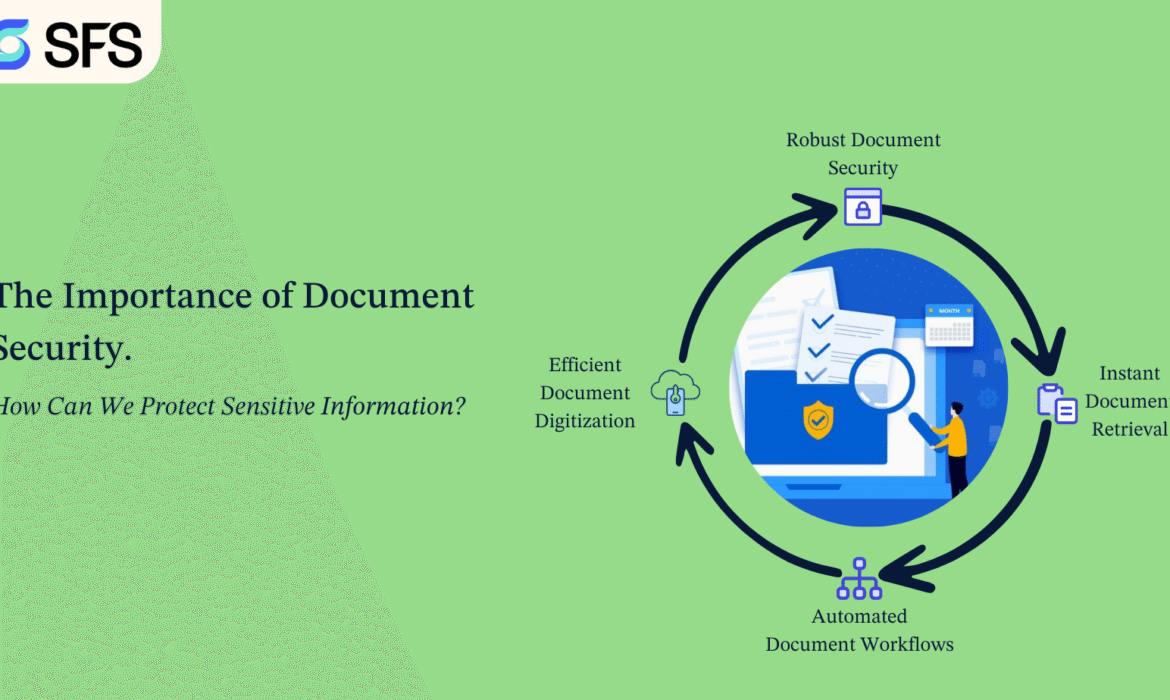
Introduction: Improving Security and Performance. Making the switch to digital is a progressive move. However, managing massive data can be challenging. It can lead to chaos, wasted effort, and possible security risks if left unattended. Fortunately, smart document management software has revolutionised how companies manage, organise, and access their data. Smart document management software is still unfamiliar to many firms, though. In this blog, we will explore how smart document management software can improve your document security and learn how we can protect sensitive information.
Why Document Security is Important: Protecting sensitive information from unauthorized access, theft, or loss is essential to maintaining confidentiality, integrity, and compliance with legal and regulatory standards. Here’s why document security is important and how it can be implemented effectively.
- Data breaches can result from unauthorised access to private papers, revealing commercial secrets, financial records, and personal information.
- A security breach can damage an organization’s reputation and lead to loss of trust among clients and stakeholders.
- Companies spend a lot of money creating proprietary information, which needs to be protected from theft and illegal duplication.
- Regulations like GDPR, HIPAA, and PCI-DSS, which require stringent data protection procedures, must be followed by many companies.
How Can We Protect Sensitive Information: Document security is now a major concern for both individuals and organisations in our increasingly digital environment. Here we will explain how we can protect sensitive information.
- To make sure that only people with permission can see or edit sensitive documents, use role-based access rights.
- Require strong passwords and multi-factor authentication (MFA) for access to critical files.
- Utilize encryption protocols to protect documents both in transit and at rest.
- To avoid unwanted interception, make sure cloud storage data and email attachments are encrypted.
- Store physical documents in locked cabinets with restricted access.
- Make use of cloud services that provide secure backups and end-to-end encryption.
- Put in place procedures for managing documents securely, including rules for data preservation and destruction.
- To find weaknesses and implement security measures, conduct routine security audits.
- Inform staff members about acceptable practices and the significance of document security.
- To permanently delete digital files from storage devices, use safe file deletion techniques.
The role of encryption, two-factor authentication, and audit trails in document security.
As the use of digital documents grows, it is essential to make sure they are secure. Protecting sensitive data against breaches, tampering, and unwanted access requires the use of three crucial mechanisms: audit trails, two-factor authentication (2FA) and encryption.
Two-Factor Authentication (2FA): By forcing users to confirm their identity using two kinds of authentication, 2FA offers an additional layer of protection. Usually,
- Something they know (password or PIN).
- Something they have (a one-time code sent to their phone or email, or biometric verification).
2FA enhances document security by:
- With the Preventing unauthorized access, without the second element, an attacker cannot access the document, even if their password is hacked.
- Cybercriminals need more than just login credentials to gain access.
- Cloud-based document management systems are further protected by improved remote security.
Audit Trails: Audit trails track and log all activities related to a document, including access, modifications, and sharing. They provide:
- Identifies who accessed or edited a document and when.
- Alerts administrators to unauthorized changes or suspicious activities.
- Helps organizations meet regulatory requirements by maintaining detailed records of document interactions.
Case studies on how organizations are using to protect sensitive information with smart documents management software.
Smart document management software is being used by businesses in a variety of sectors to safeguard confidential data. The following case studies demonstrate how these solutions improve efficiency and security:
Data security threats and ineffective document retrieval were problems for one organisation. They established a document management system with encryption, access controls, and frequent security audits through IT consultation and custom software development. The amount of time spent looking for files was reduced by 37% because of this campaign, and the chance of data breaches was predicted to drop by 44%.
The Numbers Speak for Themselves:
- 37% Faster Processes: Eliminate manual searches and streamline workflows.
- 70% Reduction in Errors.
- 20% Cost Savings: Cut down on unnecessary storage and printing expenses.
- 23% Faster Review Cycle.
Conclusion: Both individuals and corporations must implement strong document security methods to safeguard sensitive data. Organisations can reduce risks and guarantee regulatory compliance by putting in place access controls, encryption, safe storage, and ongoing monitoring. Data, trust, and company reputation are all protected by investing in document security.
End with a clear next step: Are you ready to upgrade your Document Management processes and take your business to new heights? Contact Smart Factory Solutions today and learn how we can be tailored to meet your specific needs. Our team is eager to provide personalized recommendations and demonstrate how our solutions can move your business forward. Contact us now and take the first step toward achieving exceptional quality and customer satisfaction.


