
Introduction: Project management is a professional field that involves planning, executing, and supervising projects to achieve goals and objectives within a predetermined budget and timetable. Its fundamental nature determines the technologies employed in the project. However, the planning, execution, and monitoring of a project always define its outcome; this is where project management software comes into play. In this blog, we will understand the importance of stakeholder management.
Importance of Stakeholder Management in Project Success: One of the most important elements in guaranteeing project success is efficient stakeholder management. Clients, team members, investors, suppliers, regulators, and end users are examples of stakeholders who have a direct or indirect impact on a project’s outcome. Effective management guarantees alignment, lowers risks, and fosters enduring trust.
- Alignment of Expectations: By ensuring that stakeholders’ requirements, objectives, and concerns are properly recognised and addressed, proper engagement helps to avoid misunderstandings and disputes.
- Better Decision-Making: Stakeholders bring valuable insights, expertise, and resources that can help in identifying risks, setting priorities, and making informed project decisions.
- Stronger Collaboration: Good communication fosters trust, encourages feedback, and promotes teamwork across departments. Regular updates and feedback loops build trust, keep stakeholders informed, and prevent last-minute surprises.
- Resource & Support Availability: When problems develop, involved stakeholders are more inclined to support the project and offer financial, technical, or human resources. Feeling involved increases the likelihood that stakeholders will support project decisions and supply the resources required.
- Risk Mitigation: Identifying and managing stakeholder concerns early helps avoid resistance, delays, or scope changes later in the project lifecycle. Projects with strong stakeholder buy-in are more likely to be delivered on time, within budget, and with the desired outcomes.
- Project Acceptance: When stakeholders feel involved and valued, they are more likely to support the outcomes and ensure smooth adoption of project deliverables.
The case study is based on how organizations are using project management software to manage Stakeholders.
Challenge: A company has many projects, and they are facing a problem in managing complex, scalable projects with multiple stakeholders.
Solution: Adopted Smart PMS for better coordination.
Outcomes: After implementing our smart PM software solution, they improved transparency and accountability across departments.
- Efficiency: 35% improvement in project efficiency.
- Deliveries: 25% more on-time deliveries.
- Overcome Procrastination: 30% fewer delays.
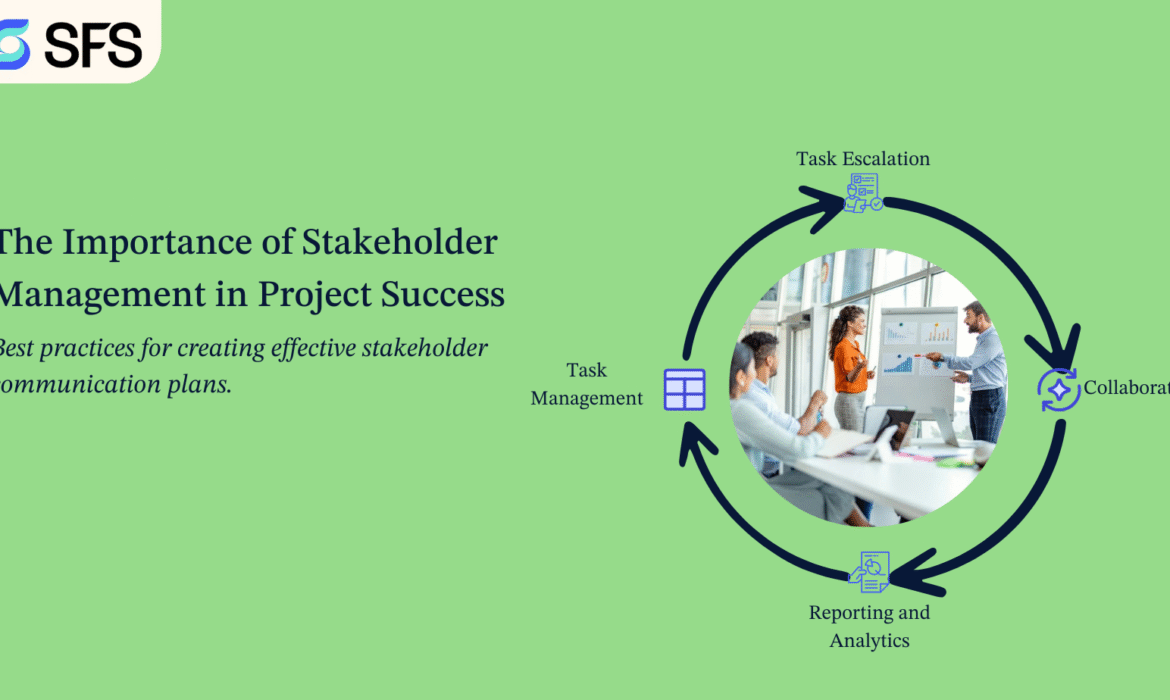
Best practices for creating effective stakeholder communication plans.
Creating an effective stakeholder communication plan is essential for project success. Here are the best practices to follow:
- Identify and Prioritize Stakeholders: Arrange the stakeholders according to their interest and influence. Determine who requires high-level summaries versus in-depth updates.
- Define Communication Objectives: Clearly state the goals of the communication (educate, consult, engage, obtain approval). Sync communication objectives with project results. For instance, team members require thorough updates, whereas executives could require high-level summaries.
- Choose the Right Communication Channels: Use the right channel for each stakeholder (emails, meetings, dashboards, reports). Adjust tone and detail to match the needs of stakeholders.
- Establish Frequency and Cadence: Establish a regular timetable that includes milestone reviews, monthly reports, and weekly updates. Avoid overburden by striking a balance between frequency and keeping stakeholders informed.
- Ensure Transparency and Accuracy: Communicate changes, risks, and progress openly and in real-time. Instead of making assumptions, offer data-driven insights.
- Encourage Two-Way Communication: Allow interested parties to voice their concerns, offer comments, and pose questions. To get feedback, use questionnaires, feedback forms, or teamwork tools.
- Document and Track Communication: Document stakeholder interactions, comments, and choices. Utilise project management software to ensure responsibility and clarity.
- Adapt and Improve: Keep an eye on how well the communication strategy is working. Be adaptable and change tactics in response to input and project conditions.
Conclusion: Stakeholder management is a key factor in project success rather than merely a supporting function. Organisations can reduce risks, increase support, and guarantee that the project provides long-term value by coordinating stakeholder interests, resolving issues, and keeping lines of communication open.
End with a clear next step: Are you ready to upgrade your Project Management processes and take your business to new heights? Contact Smart Factory Solutions today and learn how we can be tailored to meet your specific needs. Our team is eager to provide personalized recommendations and demonstrate how our solutions can move your business forward. Contact us now and take the first step toward achieving exceptional quality and customer satisfaction.


